 Solitaire
How to Play Spider Solitaire: Rules, Suits and Strategy
Spider is the thinking player’s solitaire: no foundations to build, no waste pile to cycle, just ten columns and the slow work of untangling 104 cards into eight ordered runs.
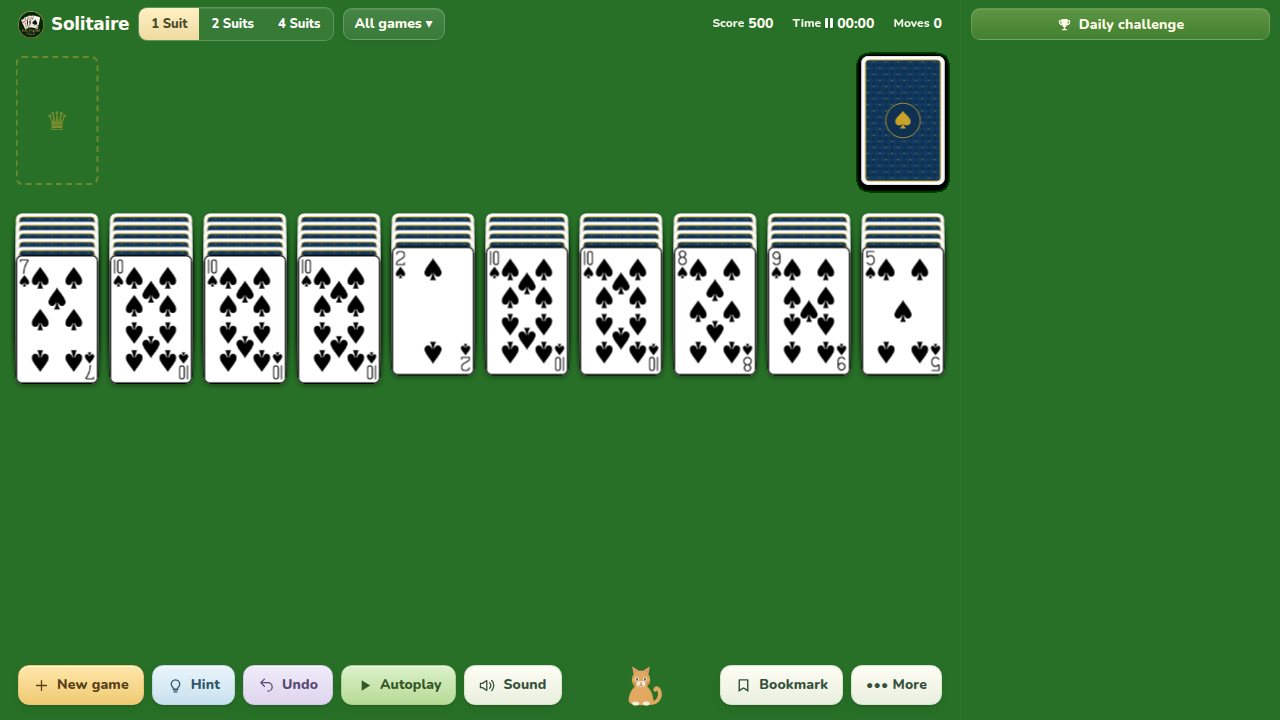
Watch the video guide
The setup
Spider uses two full decks, 104 cards. Fifty-four are dealt across ten columns: the first four columns get six cards each, the remaining six get five. Only the bottom card of each column is face up. The other fifty cards stay in the stock, ready to be dealt in five rows of ten.
The goal
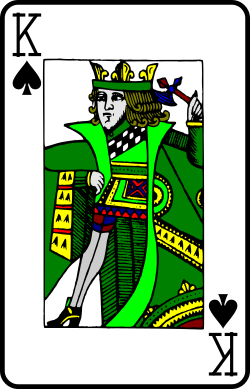
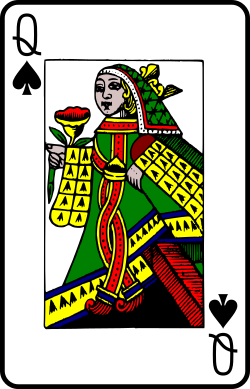
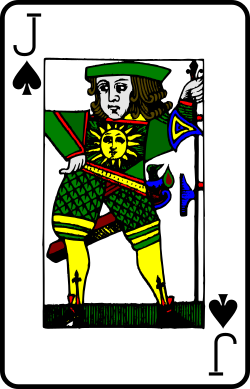
Assemble eight complete sequences running King down to Ace in a single suit. Whenever a full run is finished, it is lifted off the table automatically. Clear all eight and you have won. There are no foundation piles to build up, and no Aces to hunt for at the start.
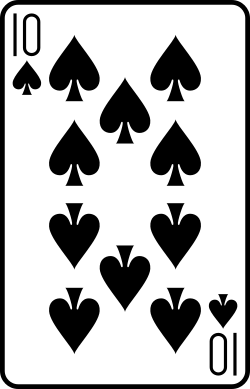
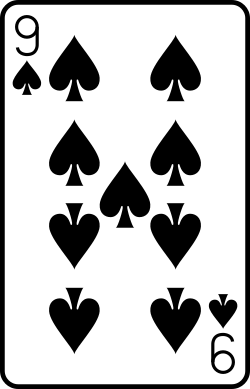
How cards move
Spider has one rule that trips up every newcomer, because building and moving work differently.
- You can build any card onto a card one rank higher, regardless of suit. A 9 of hearts is perfectly legal on a 10 of spades.
- You can only move a group if it is a run of the same suit in descending order. That heart 9 on the spade 10 does not travel with it.
- Any card or valid run can go into an empty column. Unlike Klondike, Spider does not restrict empty columns to Kings.
Every time you place a card on a different suit, you are creating a knot you will have to untie later. It is often the right move, but it is always a debt, and Spider always collects.
Dealing a new row
When you run out of moves, click the stock to deal one card onto every column at once. There is one hard condition: every column must have at least one card. If any column is empty, the deal is blocked until you fill it.
You get five deals in total. Since each deal lands ten cards on top of whatever you have built, dealing into an untidy board can bury your work badly, so it is worth spending moves to tidy up before you deal.
One suit, two suits or four?
| Version | What changes | Who it is for |
|---|---|---|
| 1 suit | All 104 cards are spades, so every descending sequence is automatically movable. | Learning the flow of the game; very high win rate. |
| 2 suits | Spades and hearts. Now half your builds create knots. | The natural middle ground and where most regular players live. |
| 4 suits | A full two-deck spread. Any pile you build is likely to be mixed. | Experienced players who want a real fight. |
The jump in difficulty is not linear. One suit is a gentle puzzle; two suits is a real game; four suits will beat you regularly no matter how well you play. If you want the middle difficulty, you can play Spider Solitaire 2 Suits in a board that opens directly in that mode. For all four suits, play Spider Solitaire 4 Suits.
Six strategy rules
1. Build in suit whenever you have the choice
Two ways to place a 9? Take the one that matches suit. Same-suit builds stay movable; mixed builds freeze.
2. Empty columns are your workshop
They are the only place to park a card while you rearrange something else. In Spider an empty column accepts anything, which makes it far more flexible than its Klondike equivalent and worth protecting.
3. Uncover face-down cards early
As in Klondike, hidden cards are the real obstacle. Prefer moves that expose them, especially in the four long columns.
4. Prioritise high cards
Kings can only ever sit at the bottom of a run or in an empty column. A King buried in the middle of a pile is a long-term problem, so deal with it while you still have space.
5. Tidy up before you deal
A deal drops ten cards with no regard for your plans. Consolidate runs first so the new row lands on top of order rather than chaos.
6. Do not hoard partial runs across columns
Three columns each holding a fragment of the same suit is worse than one column holding all three. Merge fragments when the chance appears. The chance may not come back.
Frequently asked questions
How many decks does Spider use?
Two decks, 104 cards. In the one-suit and two-suit versions the cards are re-suited so that all eight sequences use the same one or two suits, which is what makes those versions easier.
Can I move a mixed-suit sequence in Spider?
No. You can build a descending sequence out of any suits, but only a run of the same suit can be picked up and moved as a unit. Mixed piles must be taken apart one card at a time.
Why will the game not let me deal?
Spider forbids dealing a new row while any column is empty. Fill every gap before you click the stock. This rule exists to stop players from stockpiling empty columns.
Is four-suit Spider actually winnable?
Yes, but it is genuinely hard and a significant portion of deals cannot be won at all. Most players start on one suit, move to two once they win regularly, and treat four suits as the long-term goal.