 Solitaire
How to Set Up and Play Solitaire: Klondike Rules
Klondike is the game most people mean when they say “solitaire.” Here is how to set up the seven-column tableau, what every pile does and every rule you need to play a complete game.
Watch the video guide
How to set up solitaire
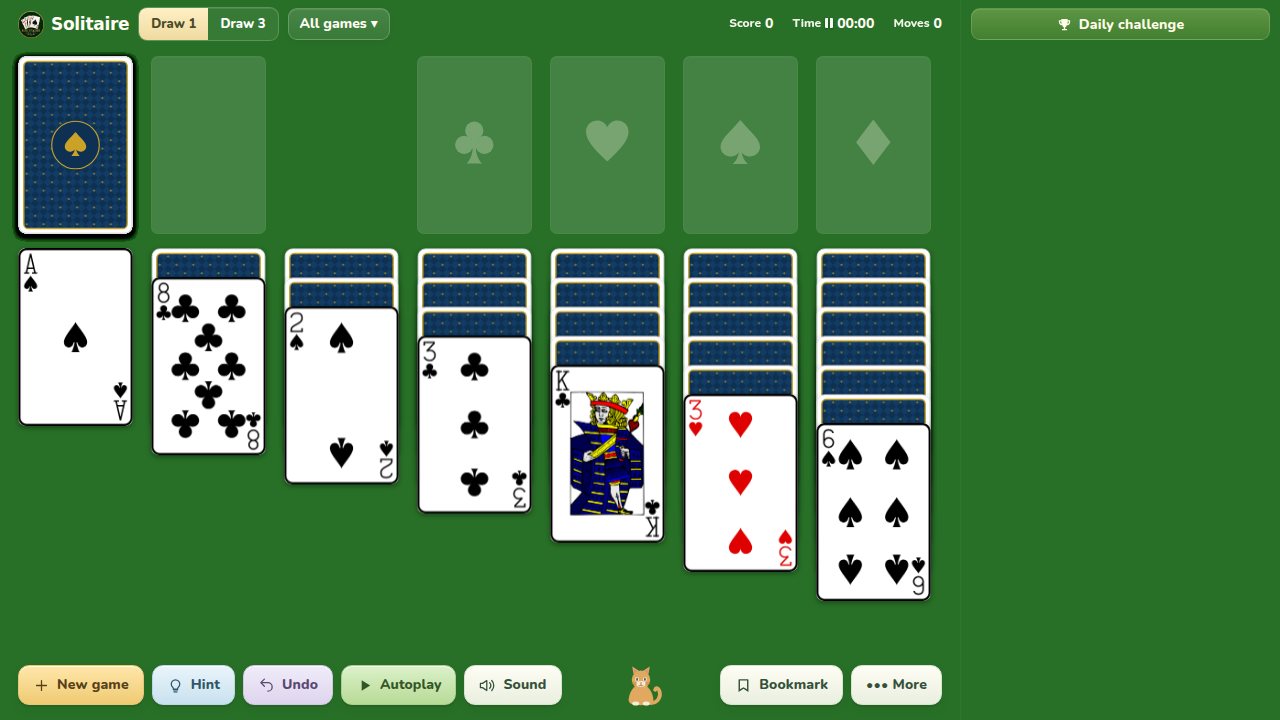
To set up solitaire with a physical deck, remove the jokers and deal seven tableau columns from left to right. The first column gets one card, the second gets two, and each following column gets one more until the seventh column has seven cards.
- Deal one face-up card to start the first column.
- Deal a face-down card to each remaining column, then one face-up card to start the second.
- Repeat until every column has one face-up bottom card.
- Place the remaining 24 cards face down as the stock.
- Leave space above the tableau for four foundations, one for each suit.
The finished setup uses 28 tableau cards and 24 stock cards. Everything in Klondike then lives in one of four places:
| Area | Where it is | What it holds |
|---|---|---|
| Tableau | The seven columns filling most of the table | 28 cards dealt in a staircase: one in the first column, two in the second, up to seven in the last. Only the bottom card of each column starts face up. |
| Stock | Face-down pile, top left | The 24 cards left over after the deal. Click it to turn cards over. |
| Waste | Beside the stock | Cards you have turned over. Only the top one is in play. |
| Foundations | Four spaces, top right | Empty at the start. This is where you are trying to send all 52 cards. |
Playing in the browser? The Klondike game deals this layout automatically and lets you choose Draw 1 or Draw 3.
How you win
Build all four foundations from Ace up to King, one suit each. Get every card home and the game is won. That is the whole objective. Everything else is just the traffic problem of getting there.

The four legal moves
There are only four things you can ever do. Once these click, you know Klondike.
1. Build down the tableau, alternating colours
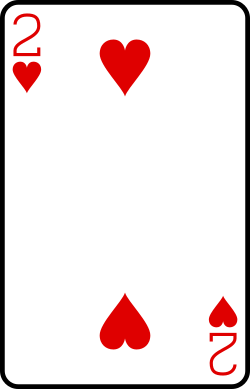
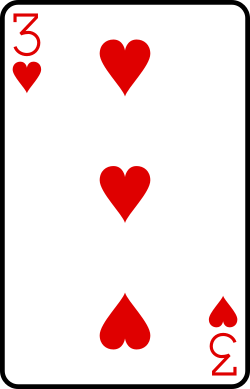
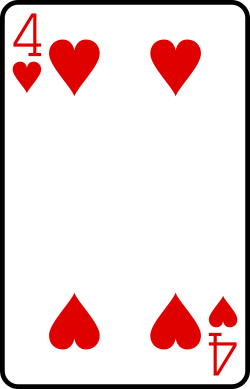
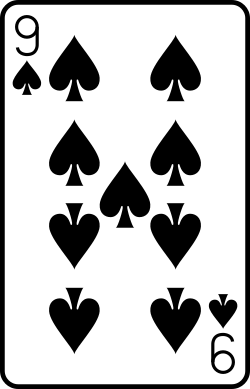
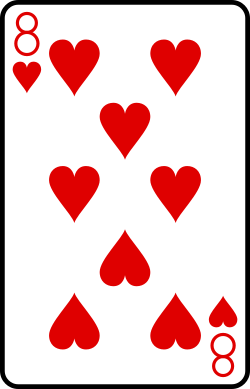
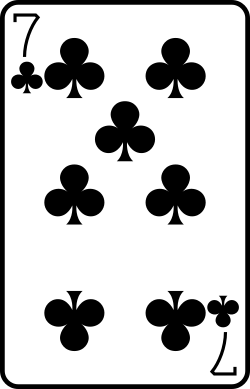
A card can land on a tableau card one rank higher and of the opposite colour. A black 8 accepts either red 7. A red Queen accepts either black Jack. Colour alternates the whole way down, which is why a long tableau run reads as a red-black-red-black ladder.
2. Build up the foundations, in suit
Aces go up first, then the 2 of that suit, then the 3, all the way to the King. You can pull a card back off a foundation if you need it in the tableau. Sometimes that is exactly the right move.
3. Move a sequence
Any properly ordered run moves as one piece. Grab the highest card of the run and the rest follows. You cannot move a broken group, and you cannot rearrange cards within a column.
4. Turn cards from the stock
When you are stuck, click the stock. The top card of the waste is always live, and everything under it is frozen until you deal past it again.
An empty column takes only a King. No other card may start a new column. Beginners routinely clear a column, discover they have no King available, and leave a hole they cannot use for the rest of the game.
Draw 1 or Draw 3?
This single setting changes the game more than anything else on the board. In Draw 1 you turn one card at a time, so every card in the stock is reachable. In Draw 3 you turn three at once and can only play the top one, which means two out of every three cards are hidden behind another card until the next pass.
| Draw 1 | Draw 3 | |
|---|---|---|
| Cards per click | One | Three |
| Stock access | Everything | Roughly a third at a time |
| Difficulty | Relaxed | The classic challenge |
| Best for | Learning, unwinding, high win rates | Players who want the deal to fight back |
If you are learning, start on Draw 1. You will see far more of the deck and get a feel for the shape of the game without the stock working against you. Move to Draw 3 when winning stops feeling like an achievement.
Your first game, step by step
- Scan for Aces. Any Ace showing goes straight to a foundation. Nothing is ever gained by leaving an Ace in the tableau.
- Look for tableau moves that flip a card. Every face-down card you turn over is new information and a new option. This is the single most valuable kind of move in the game.
- Prefer moves from the longest columns. The seven-card column has six cards hidden under it. Digging there pays better than digging in a column with one card hidden.
- Only then, turn the stock. The tableau moves are free, but the stock is a limited resource. Exhaust the board first.
- Repeat. Flip, build, dig. When nothing on the board moves, deal again.
You will know a deal is going well when face-down cards keep turning over. You will know it is going badly when you are cycling the stock and nothing on the board has changed in two passes.
Five mistakes beginners make
Sending every card to the foundations
It feels like progress, but a 6 sitting on a foundation cannot catch a 5 in the tableau. Send cards home when they are no longer useful on the board, not the moment they become legal.
Emptying a column with no King in sight
An empty column is the most powerful square on the board, and it is useless without a King to fill it. Check what you can actually put there before you clear it.
Filling an empty column with the first King you see
Kings are not interchangeable. Ask which colour you need: a black King wants a red Queen next. Placing the King that has no available Queen wastes the column just as surely as leaving it empty.
Burning through the stock early
Every tableau move you can make is free and reversible in a way stock cycling is not. Clicking the stock out of habit means you reach the genuinely stuck positions with fewer cards left to save you.
Moving a run just because it fits
If shifting a red 7 onto a black 8 exposes nothing and unblocks nothing, it is not a move. It is fidgeting, and it can cost you the column you actually needed.
The fastest way to internalise all of this is one slow game with hints turned on. When you get stuck, ask for a hint and work out why that move was the right one. It is almost always because it uncovers something.
Frequently asked questions
How do you set up solitaire?
Deal seven tableau columns from left to right. The first column gets one card, the second gets two, and so on through seven. Turn only the bottom card of each column face up. The remaining 24 cards become the stock, and leave room for four foundations.
Can every game of Klondike be won?
No. A meaningful share of deals are unwinnable no matter how well you play, because the cards you need are buried beneath cards that depend on them. Research suggests roughly 80–90% of deals are theoretically solvable if you could see every card, but real players, who cannot see every card, win far fewer than that.
Can I move more than one card at a time?
Yes, as long as the cards form a proper sequence: descending in rank and alternating in colour. A red 7, black 6 and red 5 move together as a unit onto any black 8.
What can go into an empty column?
Only a King, or a sequence headed by a King. This is what makes empty columns so valuable and so easy to waste.
How many times can I go through the stock?
In the traditional casino version, once in Draw 1 and three times in Draw 3. Most digital versions, including this one, allow unlimited passes so a deal is never lost to a technicality.
Is it cheating to use undo?
Only if you are keeping score against someone. Undo is how you learn which branch of a deal was the right one. Treat it as a training tool and turn it off when you want a real test.