 Solitaire
How to Play Pyramid Solitaire: Rules, Card Values and Strategy
Pyramid is the arithmetic solitaire: match two cards that add up to thirteen and both disappear. The rules take thirty seconds to learn. Working out which pair to take, and which to leave, is the part that takes practice.
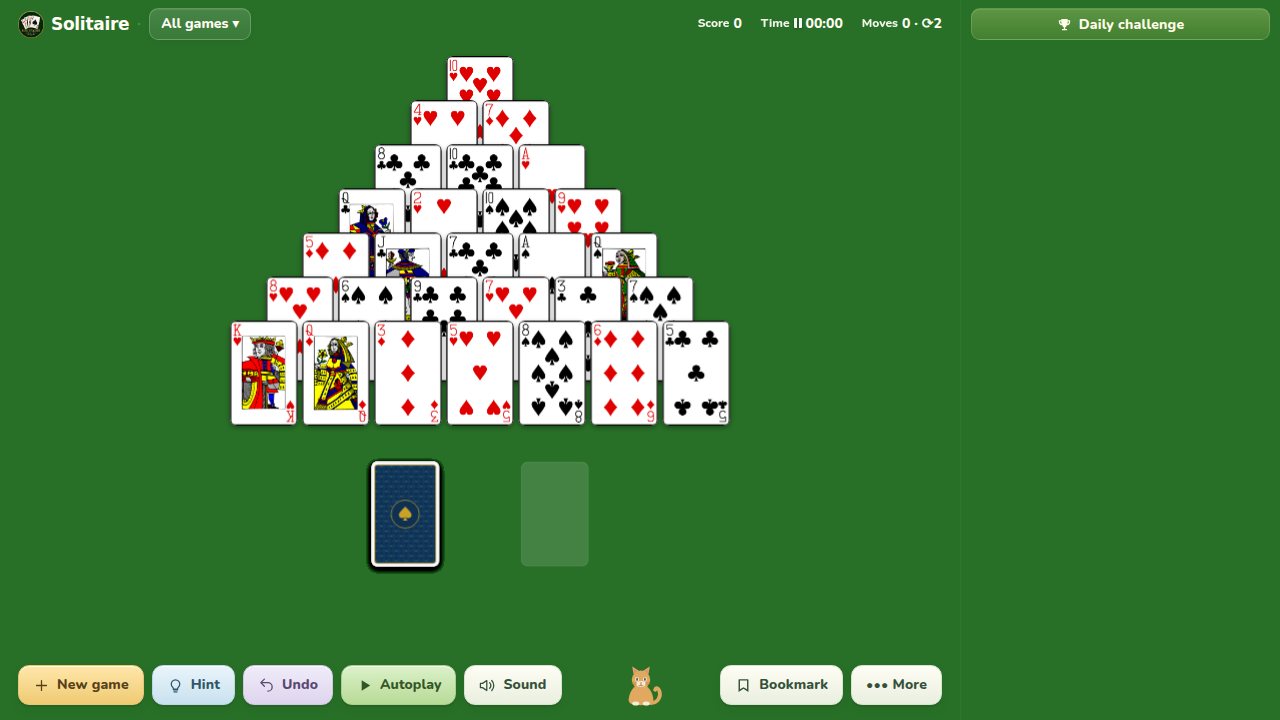
Watch the video guide
The board, explained
Pyramid uses one deck and splits it in two.
| Area | What it holds |
|---|---|
| The pyramid | 28 cards in seven rows, one at the top and seven along the bottom, all face up. Only cards with nothing resting on them can be played. |
| Stock | The remaining 24 cards, face down. Click to turn one onto the waste. |
| Waste | Turned cards. Only the top one is playable. |
What every card is worth
The whole game is one sum, so it is worth learning the pairs by sight rather than counting them out each time.
| Card | Value | Pairs with |
|---|---|---|
| Ace | 1 | Queen |
| 2 | 2 | Jack |
| 3 | 3 | 10 |
| 4 | 4 | 9 |
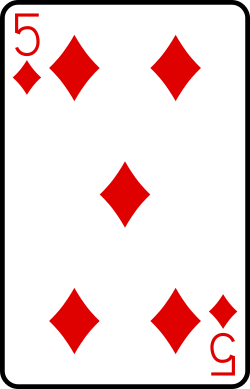
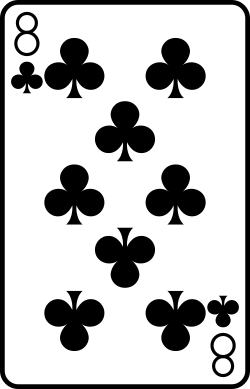
| 5 | 5 | 8 |
| 6 | 6 | 7 |
| King | 13 | Nothing. Kings go on their own. |
The two legal moves
1. Remove a pair adding to thirteen
Tap one available card, then the other. Both leave the board. Either card may come from the pyramid or from the top of the waste, and they may both come from the pyramid.
2. Remove a King
A King is already worth thirteen, so it needs no partner. Tap it and it goes. Kings are never a problem in Pyramid, which is worth remembering when you are deciding what to worry about.
The stock and your two redeals
Clicking the stock turns one card onto the waste. When the stock is empty you may flip the waste back over and go through it again. You get two redeals, and the header keeps a running count of how many you have left next to the move counter.
That means each stock card can be seen three times in total, but only in the same order, so a card you cannot use on the first pass will only become useful if the pyramid has changed shape by the time it comes round again.
How to choose between two legal pairs
Most positions offer more than one legal pair, and picking the wrong one is how deals are lost. Three questions, in order:
- Does this pair unblock anything? A pair that frees a card in the row above is worth far more than a pair that clears two cards from the bottom row and opens nothing.
- Where is the other partner? Every rank has four copies. Before you spend the 9 in the waste on a 4, check whether a different 4 is available and whether the pyramid contains another 9 you will need later.
- Am I about to strand something? Look for the fatal pattern first: two cards that pair with each other sitting one directly above the other in the pyramid. Neither can ever be removed, because the lower one is blocked by the upper one and the upper one needs the lower one to go first.
Scan the seven rows for a rank sitting directly on top of its own partner. If you find one, the deal cannot be completed and you may as well shuffle again. Ten seconds of looking saves five minutes of playing.
Four mistakes that strand the pyramid
Clearing the bottom row for the sake of it
Bottom-row cards are the easiest to take and the least useful to remove. Prefer pairs that expose a card higher up.
Spending a waste card too early
The waste top is a one-time offer only in the sense that it will be buried. If the same rank is also available in the pyramid, take the pyramid one and leave the waste card for later.
Burning the stock to find a match
Every click buries the card underneath. Play out every pair on the board before you turn a new card.
Forgetting that Kings are free
A King anywhere available should almost always go immediately. It costs nothing, it never needs a partner, and it may be blocking something that does.
Frequently asked questions
Which cards add up to thirteen in Pyramid?
Ace with Queen, 2 with Jack, 3 with 10, 4 with 9, 5 with 8, and 6 with 7. Kings are worth thirteen on their own, so they are removed singly without a partner.
Which cards can I actually use?
Any pyramid card with nothing resting on it, plus the top card of the waste. A pyramid card is blocked until both of the cards below it have been cleared, which is what makes the order you take pairs in matter so much.
How many redeals do I get in Pyramid?
Two. Once the stock runs out you may turn the waste back over and deal through it again, twice, and the counter in the header shows how many you have left. After the second redeal the cards you have not used are gone.
Do I have to clear the stock to win?
No. The game is won the moment the pyramid itself is empty, whatever is left in the stock or waste. Leftover stock cards actually help your score, because each one is worth five points in the win bonus.
Are all Pyramid deals winnable?
Far from it. A great many deals are impossible from the start, usually because two cards that need each other are stacked one directly above the other in the pyramid. Spotting that early saves you the trouble of playing it out.